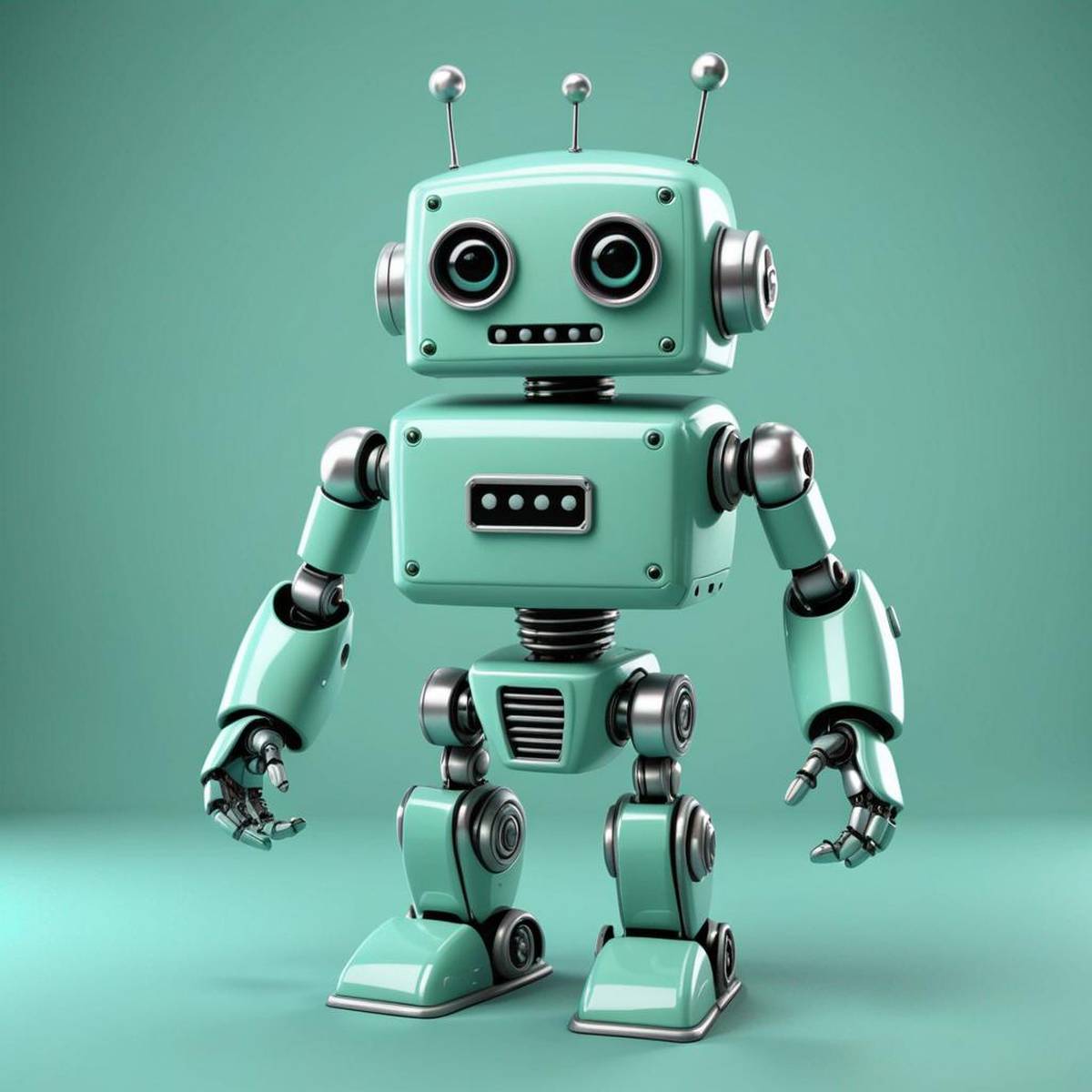


Robot Comparative adjectives
- Smarter: This robot can process information and make decisions more intelligently than others.
- Faster: This robot completes tasks at a quicker pace compared to its counterparts.
- Stronger: This robot has greater physical strength, allowing it to lift heavier objects.
- More efficient: This robot uses energy and resources better, achieving more with less waste.
- More reliable: This robot has a lower failure rate and performs consistently over time.
- More agile: This robot can move and change direction more swiftly and smoothly.
- More durable: This robot is built to withstand harsh conditions and last longer without maintenance.
- More versatile: This robot can perform a wider variety of tasks compared to others.
- More autonomous: This robot requires less human intervention and can operate independently.
- More precise: This robot can execute tasks with greater accuracy and exactness.
- More intuitive: This robot better understands human intentions and can interact more naturally.
- More responsive: This robot reacts more quickly to commands and changes in its environment.
- More compact: This robot has a smaller and more efficient design, taking up less space.
- More advanced: This robot incorporates the latest technology and features, making it state-of-the-art.
- More user-friendly: This robot is easier to use and interact with, requiring less technical knowledge.
- More adaptable: This robot can adjust better to new tasks and environments.
- More powerful: This robot has greater computational power and capabilities.
- More cost-effective: This robot provides better value for money, reducing overall costs.
- More flexible: This robot can be configured and reconfigured for different uses more easily.
- More communicative: This robot can share information and interact with other systems more effectively.
Robot Superlative adjectives
- Smartest: This robot exhibits the highest level of intelligence and decision-making capabilities.
- Fastest: This robot completes tasks at the quickest speed among all others.
- Strongest: This robot possesses the greatest physical strength, enabling it to lift the heaviest objects.
- Most efficient: This robot uses resources and energy in the best possible way, minimizing waste.
- Most reliable: This robot has the lowest failure rate and performs with the highest consistency.
- Most agile: This robot has the highest level of maneuverability and can change direction with ease.
- Most durable: This robot can withstand the toughest conditions and has the longest lifespan without maintenance.
- Most versatile: This robot can perform the widest range of tasks effectively.
- Most autonomous: This robot operates with the least need for human intervention.
- Most precise: This robot executes tasks with the highest level of accuracy and exactness.
- Most intuitive: This robot has the best understanding of human intentions and interactions.
- Most responsive: This robot reacts the quickest to commands and environmental changes.
- Most compact: This robot has the smallest, most efficient design, occupying the least space.
- Most advanced: This robot incorporates the latest and most cutting-edge technology and features.
- Most user-friendly: This robot is the easiest to use and interact with, requiring minimal technical knowledge.
- Most adaptable: This robot adjusts to new tasks and environments with the greatest ease.
- Most powerful: This robot has the highest computational power and capabilities.
- Most cost-effective: This robot provides the best value for money, reducing overall costs the most.
- Most flexible: This robot can be configured and reconfigured for different uses with the greatest ease.
- Most communicative: This robot excels at sharing information and interacting with other systems.
Robot Predicate adjectives
- Intelligent: This robot is capable of advanced decision-making and problem-solving.
- Quick: This robot completes tasks rapidly, saving time and increasing efficiency.
- Powerful: This robot has great strength and capability in performing heavy-duty tasks.
- Efficient: This robot maximizes productivity while minimizing waste.
- Reliable: This robot performs consistently well without frequent breakdowns.
- Agile: This robot moves and maneuvers smoothly and quickly.
- Durable: This robot is built to last and withstand harsh conditions.
- Versatile: This robot can handle a wide range of tasks effectively.
- Autonomous: This robot operates independently with minimal human intervention.
- Precise: This robot performs tasks with high accuracy and detail.
- Intuitive: This robot understands and responds to human commands naturally.
- Responsive: This robot reacts quickly to changes and commands.
- Compact: This robot is designed to be small and efficient, taking up less space.
- Advanced: This robot incorporates the latest technological innovations.
- User-friendly: This robot is easy to use and interact with, requiring little technical knowledge.
- Adaptable: This robot can easily adjust to different tasks and environments.
- Communicative: This robot effectively shares information with other systems.
- Flexible: This robot can be easily reconfigured for various uses.
- Cost-effective: This robot provides great value, reducing overall operational costs.
- Robust: This robot is strong and resilient, able to handle demanding tasks.
Robot Compound adjectives
- Intelligent: This robot is capable of advanced decision-making and problem-solving.
- Quick: This robot completes tasks rapidly, saving time and increasing efficiency.
- Powerful: This robot has great strength and capability in performing heavy-duty tasks.
- Efficient: This robot maximizes productivity while minimizing waste.
- Reliable: This robot performs consistently well without frequent breakdowns.
- Agile: This robot moves and maneuvers smoothly and quickly.
- Durable: This robot is built to last and withstand harsh conditions.
- Versatile: This robot can handle a wide range of tasks effectively.
- Autonomous: This robot operates independently with minimal human intervention.
- Precise: This robot performs tasks with high accuracy and detail.
- Intuitive: This robot understands and responds to human commands naturally.
- Responsive: This robot reacts quickly to changes and commands.
- Compact: This robot is designed to be small and efficient, taking up less space.
- Advanced: This robot incorporates the latest technological innovations.
- User-friendly: This robot is easy to use and interact with, requiring little technical knowledge.
- Adaptable: This robot can easily adjust to different tasks and environments.
- Communicative: This robot effectively shares information with other systems.
- Flexible: This robot can be easily reconfigured for various uses.
- Cost-effective: This robot provides great value, reducing overall operational costs.
- Robust: This robot is strong and resilient, able to handle demanding tasks.
Robot Proper adjectives
- Japanese – Emphasizes precision and innovation often associated with Japanese robotics.
- Asimovian – Relates to the futuristic and ethical aspects of robots as depicted by Isaac Asimov.
- Bostonian – Pertains to the cutting-edge robotics developed by companies in Boston, like Boston Dynamics.
- Silicon Valley – Highlights the advanced technology and innovation from the tech hub of Silicon Valley.
- European – Reflects the sophisticated and reliable robotics engineered in Europe.
- Korean – Indicates the advanced and consumer-friendly robotics from South Korea.
- NASA – Implies the high-tech and space-exploration oriented robots developed by NASA.
- Tesla – Suggests the autonomous and AI-driven robotics associated with Tesla.
- Disney – Describes robots designed for entertainment and interaction, like those by Disney Imagineering.
- MIT – Denotes the innovative and cutting-edge robotics research from MIT.
- Chinese – Highlights the mass-produced and versatile robotics from China.
- Canadian – Relates to the space and medical robots developed in Canada, like the Canadarm.
- German – Emphasizes the precision engineering and industrial robots from Germany.
- British – Reflects the advanced and often research-oriented robotics from the UK.
- Russian – Suggests the robust and resilient robotics technology from Russia.
- French – Denotes the innovative and sometimes artistic robotics from France.
- Swiss – Relates to the high-precision and reliable robotics developed in Switzerland.
- Indian – Highlights the rapidly advancing and diverse robotics technology from India.
- Australian – Suggests the robotics used in mining and remote operations developed in Australia.
- Hollywood – Implies the cinematic and special effects robots often created for movies.
Robot Descriptive adjectives
- Futuristic – This term suggests the advanced technology and innovation often associated with robots, showcasing their cutting-edge capabilities.
- Autonomous – Describes robots capable of acting independently, without human intervention, highlighting their self-sufficiency.
- Precise – Emphasizes the accuracy and exactness of robotic movements and actions, showcasing their ability to perform tasks with high precision.
- Versatile – Indicates the adaptability and range of functions that robots can perform, showcasing their ability to handle various tasks.
- Efficient – Highlights the ability of robots to complete tasks quickly and effectively, showcasing their productivity.
- Dexterous – Refers to the agility and skillfulness of robots in manipulating objects, showcasing their fine motor control.
- Robust – Describes robots built to withstand harsh conditions or heavy usage, showcasing their durability and resilience.
- Responsive – Indicates the ability of robots to react quickly to stimuli or commands, showcasing their agility and real-time processing capabilities.
- Adaptive – Suggests the capacity of robots to learn from their environment and improve their performance over time, showcasing their artificial intelligence.
- Ergonomic – Refers to robots designed with human comfort and efficiency in mind, showcasing their user-friendly design.
- Sophisticated – Emphasizes the complexity and advanced features of robots, showcasing their state-of-the-art technology.
- Compact – Describes robots designed to be small and space-efficient, showcasing their portability and versatility in various environments.
- Agile – Indicates the nimbleness and quickness of robots in movement, showcasing their flexibility and maneuverability.
- Innovative – Highlights the groundbreaking and inventive nature of robots, showcasing their role in pushing the boundaries of technology.
- Intelligent – Refers to robots equipped with advanced cognitive abilities, showcasing their capacity for problem-solving and decision-making.
- Modular – Describes robots built with interchangeable parts or components, showcasing their flexibility and ease of maintenance.
- Stealthy – Suggests robots designed to operate discreetly or covertly, showcasing their ability to perform tasks without drawing attention.
- Streamlined – Indicates robots with a sleek and efficient design, showcasing their optimization for performance and functionality.
- Resilient – Refers to robots capable of recovering quickly from errors or malfunctions, showcasing their robustness and reliability.
- Cutting-edge – Emphasizes the latest advancements and innovations in robotic technology, showcasing their role at the forefront of progress.
Robot Attributive adjectives
- Robotic – This adjective emphasizes the quintessential qualities associated with robots, such as automation and mechanical precision.
- Cybernetic – This term suggests the integration of electronic and mechanical systems within robots, reflecting their interconnected nature.
- Automated – Describes the ability of robots to perform tasks without direct human intervention, highlighting their self-operating nature.
- Artificial – Indicates that robots are created by humans and are not naturally occurring, emphasizing their synthetic origin.
- Digital – Refers to the use of binary code and electronic signals to control and operate robots, showcasing their reliance on digital technology.
- Programmable – Describes robots that can be configured and controlled through software instructions, highlighting their versatility and adaptability.
- Electromechanical – Indicates the integration of electrical and mechanical components within robots, showcasing their hybrid nature.
- Remote-controlled – Suggests that robots can be operated from a distance by human operators, showcasing their teleoperation capabilities.
- Intelligent – Emphasizes the cognitive abilities of robots, such as learning, problem-solving, and decision-making.
- Modular – Describes robots built with interchangeable parts or components, allowing for customization and easy maintenance.
- Sensor-equipped – Indicates that robots are equipped with various sensors to perceive and interact with their environment.
- Wireless – Refers to robots that communicate and operate without physical connections, showcasing their mobility and flexibility.
- Hydraulic – Describes robots powered by hydraulic systems, showcasing their strength and ability to exert force.
- Teleoperated – Suggests that robots can be controlled remotely by human operators, often through wireless communication.
- Humanoid – Indicates robots designed to resemble or imitate human appearance and behavior.
- Unmanned – Describes robots that operate without the need for human presence or intervention, often used in autonomous vehicles or drones.
- Multi-functional – Highlights the ability of robots to perform various tasks or functions, showcasing their versatility and efficiency.
- Embedded – Indicates that robots are integrated into other systems or devices, showcasing their seamless integration and interoperability.
- Nano-scale – Refers to robots designed at the nano-level, showcasing their tiny size and potential applications in nanotechnology.
- Adaptive – Describes robots capable of adjusting their behavior and performance based on changing conditions or requirements.
Table of Contents