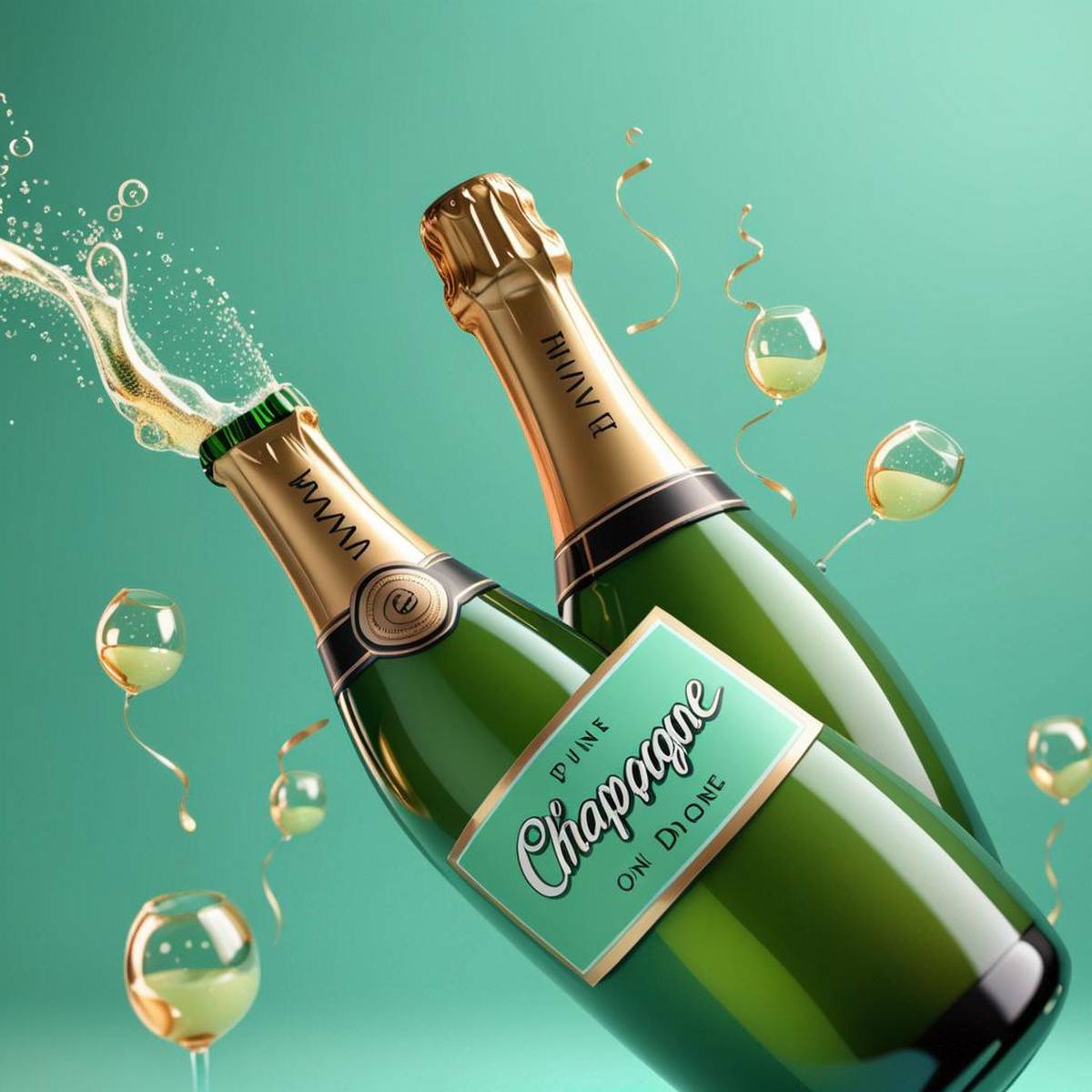


Champagne Comparative adjectives
- Brighter – A champagne can be described as brighter when it has a lively and vivid taste profile.
- Finer – When champagne has more delicate and elegant bubbles, it is often considered finer.
- Smoother – A smoother champagne has a more refined and less abrasive mouthfeel.
- Crisper – Crispier champagnes have a refreshing and clean taste, often with higher acidity.
- Richer – This refers to a champagne that has a more complex and full-bodied flavor.
- Drier – When champagne has less sweetness, it is considered drier.
- Fuller – Fuller champagnes have a more substantial and robust flavor profile.
- Fruitier – This describes champagnes with more pronounced fruity notes.
- Livelier – A livelier champagne has a more vibrant and effervescent character.
- Toastier – Champagnes with a more prominent toasty or yeasty flavor can be described as toastier.
- Bolder – A bolder champagne has a stronger and more assertive taste.
- Sharper – Sharper champagnes have a more pronounced acidity and tanginess.
- Rounder – Rounder champagnes have a more balanced and smoother taste with fewer sharp edges.
- Sweeter – When champagne has more residual sugar, it is considered sweeter.
- Softer – Softer champagnes have a gentler and more mellow flavor profile.
- Longer – A champagne with a longer finish has flavors that linger more persistently on the palate.
- Heavier – Heavier champagnes have a more substantial body and weight.
- Spicier – Champagnes with more pronounced spicy notes can be described as spicier.
- Earthier – Earthier champagnes have more pronounced earthy or mineral flavors.
- Cleaner – A cleaner champagne has a purer and more straightforward taste with fewer off-flavors.
Champagne Superlative adjectives
- Brightest – The champagne with the most lively and vivid taste profile.
- Finest – The champagne with the most delicate and elegant bubbles.
- Smoothest – The champagne with the most refined and least abrasive mouthfeel.
- Crispest – The champagne with the most refreshing and clean taste, often with high acidity.
- Richest – The champagne with the most complex and full-bodied flavor.
- Driest – The champagne with the least amount of sweetness.
- Fullest – The champagne with the most substantial and robust flavor profile.
- Fruitiest – The champagne with the most pronounced fruity notes.
- Liveliest – The champagne with the most vibrant and effervescent character.
- Toastiest – The champagne with the most prominent toasty or yeasty flavor.
- Boldest – The champagne with the strongest and most assertive taste.
- Sharpest – The champagne with the most pronounced acidity and tanginess.
- Roundest – The champagne with the most balanced and smoother taste with fewer sharp edges.
- Sweetest – The champagne with the most residual sugar.
- Softest – The champagne with the gentlest and most mellow flavor profile.
- Longest – The champagne with the most persistent finish, with flavors lingering on the palate.
- Heaviest – The champagne with the most substantial body and weight.
- Spiciest – The champagne with the most pronounced spicy notes.
- Earthiest – The champagne with the most pronounced earthy or mineral flavors.
- Cleanest – The champagne with the purest and most straightforward taste, with the fewest off-flavors.
Champagne Predicate adjectives
- Effervescent – Champagne is effervescent, characterized by its lively bubbles that dance in the glass.
- Elegant – This sparkling wine is elegant, showcasing refined and sophisticated qualities.
- Brut – Champagne can be brut, meaning it is dry with little to no sweetness.
- Crisp – With its fresh and clean taste, champagne is often described as crisp.
- Luxurious – Champagne is luxurious, exuding a sense of opulence and indulgence.
- Refreshing – This beverage is refreshing, offering a revitalizing and invigorating experience.
- Golden – Champagne is often golden, reflecting its rich, yellow hue.
- Nutty – Some champagnes are nutty, with subtle almond or hazelnut flavors.
- Complex – A well-crafted champagne is complex, with layers of flavors and aromas.
- Zesty – The citrus notes in champagne can make it zesty and vibrant.
- Floral – Certain champagnes are floral, with delicate notes of flowers like jasmine or rose.
- Balanced – Good champagne is balanced, harmonizing acidity, sweetness, and flavor.
- Velvety – Champagne can have a velvety texture, smooth and pleasing on the palate.
- Toasty – Some champagnes are toasty, with a hint of bread or biscuit aromas from aging.
- Bright – Champagne is often bright, with a lively and cheerful character.
- Mineral – Certain champagnes are mineral, exhibiting notes reminiscent of wet stones or chalk.
- Fruity – Champagne can be fruity, with flavors of apples, pears, or berries.
- Vivacious – The effervescence and lively nature of champagne make it vivacious.
- Light-bodied – Champagne is typically light-bodied, making it easy to sip and enjoy.
- Aromatic – The aromatic qualities of champagne can include a variety of scents, from fruity to floral to earthy.
Champagne Compound adjectives
- Bubbly-filled – Emphasizes the effervescent quality of champagne that is filled with delightful bubbles.
- Golden-hued – Highlights the beautiful golden color that is characteristic of many champagnes.
- Crisp-tasting – Describes the refreshing and invigorating taste that champagne often has.
- Light-bodied – Refers to the delicate and airy texture of champagne on the palate.
- Fruit-infused – Captures the subtle fruit flavors that can be found in many champagnes.
- Brut-styled – Indicates the dry, unsweetened style that is popular among many champagne varieties.
- Elegantly-crafted – Suggests the sophisticated and meticulous production process of champagne.
- Floral-scented – Refers to the delicate floral aromas that some champagnes exhibit.
- Velvet-finished – Highlights the smooth and luxurious finish of a high-quality champagne.
- Richly-flavored – Describes the deep and complex flavor profile found in some champagnes.
- Delicately-balanced – Points to the perfect harmony of flavors and textures in a well-made champagne.
- Honey-kissed – Indicates the subtle sweetness and honey notes in some champagne varieties.
- Mineral-driven – Refers to the distinct mineral notes that are present in certain champagnes, often due to terroir.
- Toasty-nuanced – Describes the toasty, biscuity flavors that develop in aged champagnes.
- Exquisitely-bubbled – Emphasizes the fine and persistent bubbles that make champagne so special.
- Nutty-tinged – Captures the subtle nutty flavors that can be found in some champagnes.
- Yeast-influenced – Refers to the yeasty, bread-like aromas and flavors that come from the fermentation process.
- Brilliantly-clear – Highlights the clarity and brightness of a well-made champagne.
- Opulently-textured – Describes the luxurious mouthfeel and texture of a premium champagne.
- Freshly-bottled – Indicates the fresh, vibrant character of a recently produced champagne.
Champagne Proper adjectives
- French – Highlights the origin of authentic champagne, which comes from the Champagne region of France.
- Parisian – Evokes the sophisticated and elegant lifestyle associated with Paris, enhancing the luxury of champagne.
- Burgundian – Relates to the rich winemaking traditions of Burgundy, which can parallel the quality of champagne.
- European – Suggests the old-world charm and refined characteristics of European-made champagne.
- Chardonnay-based – Refers to the prominent use of Chardonnay grapes in many champagnes, known for their finesse.
- Pinot-inspired – Indicates the influence of Pinot Noir and Pinot Meunier grapes, adding depth and complexity.
- Reims-crafted – Points to the city of Reims, a key center for champagne production, known for its historical significance.
- Epernay-aged – Highlights the aging process in Epernay, a town synonymous with high-quality champagne cellars.
- Dom Pérignon-like – Suggests a resemblance to the luxurious and renowned Dom Pérignon champagne.
- Veuve Clicquot-esque – Evokes the iconic style and bold flavors associated with Veuve Clicquot champagnes.
- Krug-class – Implies a level of excellence and opulence similar to the prestigious Krug champagnes.
- Moët-inspired – Brings to mind the popular and widely celebrated Moët & Chandon champagnes.
- Bollinger-style – Refers to the robust and full-bodied characteristics of Bollinger champagne.
- Laurent-Perrier-like – Conveys the refined and elegant qualities typical of Laurent-Perrier champagnes.
- Roederer-refined – Suggests the exquisite craftsmanship and refinement of Louis Roederer champagnes.
- Pommery-patterned – Reflects the distinctive and innovative style of Pommery champagne.
- Perrier-Jouët-inspired – Evokes the floral and delicate nature of Perrier-Jouët champagnes.
- Taittinger-influenced – Brings to mind the graceful and light characteristics of Taittinger champagnes.
- Pol Roger-like – Conveys the rich and complex profile typical of Pol Roger champagnes.
- Gosset-style – Suggests the traditional and robust qualities associated with Gosset champagne.
Champagne Descriptive adjectives
- Effervescent – Captures the lively and sparkling bubbles that are a hallmark of champagne.
- Aromatic – Describes the enticing and fragrant aromas that waft from a glass of champagne.
- Delicate – Highlights the light and refined nature of champagne, making it elegant and sophisticated.
- Refreshing – Conveys the crisp and invigorating quality that makes champagne perfect for celebrations.
- Elegant – Reflects the grace and sophistication associated with high-quality champagne.
- Luxurious – Suggests the opulent and indulgent experience of enjoying a premium champagne.
- Complex – Indicates the layered and intricate flavors that can be found in a well-crafted champagne.
- Creamy – Describes the smooth and rich mouthfeel that some champagnes possess.
- Vibrant – Captures the lively and dynamic character that makes champagne exciting.
- Dry – Refers to the crisp, non-sweet taste profile of many champagnes, especially Brut.
- Golden – Highlights the beautiful golden color that is often seen in champagne.
- Balanced – Describes the harmonious blend of flavors and aromas in a well-made champagne.
- Fruity – Indicates the presence of subtle fruit flavors that enhance the champagne’s taste.
- Yeasty – Refers to the bready, doughy notes that come from the fermentation process.
- Nutty – Captures the subtle nutty flavors that can develop in aged champagnes.
- Toasty – Describes the toasted, biscuity flavors that are characteristic of some champagnes.
- Bright – Highlights the clear, sparkling appearance and refreshing taste of champagne.
- Rich – Conveys the depth and intensity of flavors found in some premium champagnes.
- Silky – Describes the smooth, velvety texture that enhances the drinking experience.
- Vivacious – Reflects the lively and energetic bubbles that make champagne so enjoyable.
Champagne Attributive adjectives
- Brilliant – Highlights the sparkling and clear appearance of champagne.
- Chilled – Emphasizes the cool temperature at which champagne is best enjoyed.
- Golden – Describes the beautiful color that is characteristic of many champagnes.
- Exquisite – Reflects the high quality and sophisticated nature of fine champagne.
- Inviting – Conveys the appealing and enticing nature of a glass of champagne.
- Luxurious – Suggests the indulgent and opulent experience of drinking champagne.
- Refined – Highlights the elegant and sophisticated qualities of champagne.
- Vivacious – Captures the lively and energetic bubbles that make champagne festive.
- Fresh – Indicates the refreshing and vibrant taste of a well-made champagne.
- Effervescent – Describes the lively and sparkling bubbles that are a hallmark of champagne.
- Aromatic – Highlights the fragrant and enticing aromas of champagne.
- Complex – Reflects the layered and intricate flavors that can be found in champagne.
- Creamy – Describes the smooth and rich mouthfeel that some champagnes possess.
- Balanced – Conveys the harmonious blend of flavors and aromas in a well-crafted champagne.
- Elegant – Highlights the grace and sophistication associated with high-quality champagne.
- Bright – Describes the clear, sparkling appearance and refreshing taste of champagne.
- Rich – Reflects the depth and intensity of flavors found in some premium champagnes.
- Silky – Conveys the smooth, velvety texture that enhances the drinking experience.
- Toasty – Describes the toasted, biscuity flavors that are characteristic of some champagnes.
- Refreshing – Emphasizes the crisp and invigorating quality that makes champagne perfect for celebrations.
Table of Contents